Editorial team
Each author owns a beat and verifies their own work — we deliberately avoid writing in a collective voice.
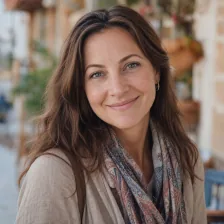
Editor-in-chief
Megan Holloway
I map Antalya from beach buses to market prices, with the plain details I wanted when I first moved here.
3 items
About this author →
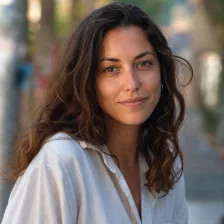
Food & markets reporter
Olivia Marsh
I track where Antalya actually eats, what it costs now, and which markets are worth your morning.
0 items
About this author →
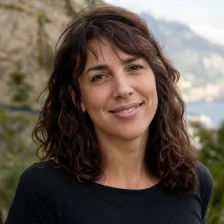
Family travel correspondent
Emma Fairchild
I map out Antalya with kids in mind, from shady parks and easy swims to tram stops, buggy routes, and realistic family budgets.
0 items
About this author →
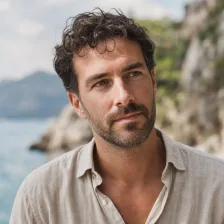
Neighborhoods & expat-life expert
Jacob Merrick
I help you figure out where to live in Antalya and how the city works once the holiday feeling wears off.
1 item
About this author →
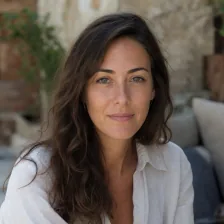
Culture & history correspondent
Francesca Doyle
I trace Antalya through stones, stories and studio doors, from Roman streets to mosque courtyards and new exhibition rooms.
1 item
About this author →